6 Easy Upgrades for Your Fishing Kayak
It might be a while before bass pro Mike Iaconelli permanently swaps out his 20-foot Bass Cat for a Hobie MirageDrive, but “Ike” certainly recognizes the value of paddle and pedal-powered watercraft.
“You can get into places that you can’t even think about putting a bass boat into,” says Iaconelli. “That’s a super advantage.”
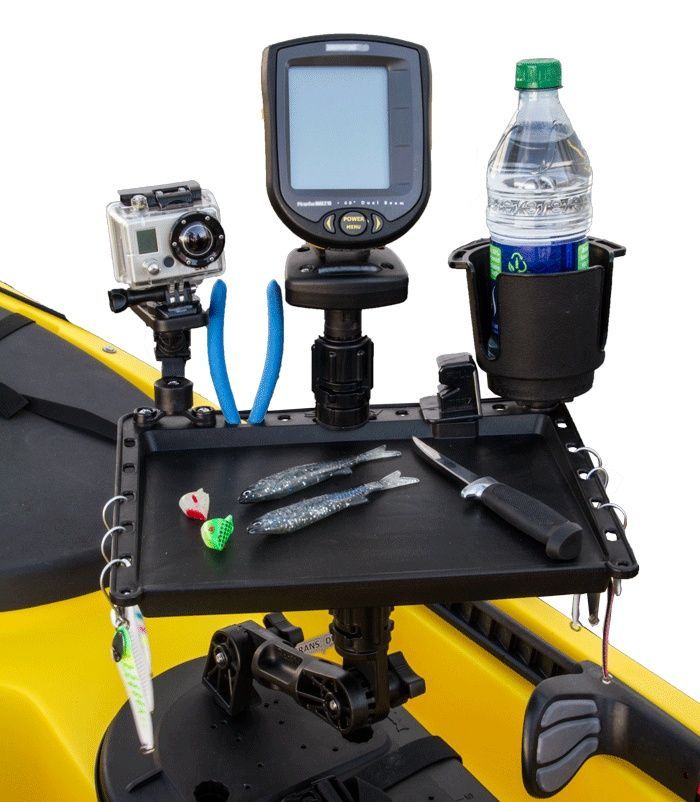
Today’s fishing kayak models are incredibly capable fishing machines. Despite their compact size, they offer excellent tackle storage, customizable rigging options, and the ability to mount electronics ranging from compact sonar units to full GPS and side-scan displays. Whether you enjoy freshwater fishing or planning your next outdoor adventure in Argentina, explore our Argentina outdoor packages for unforgettable experiences.
Essential Fishing Kayak Upgrades
While electronics and storage systems are important, there are several other fishing kayak upgrades that can dramatically improve your success and comfort on the water. Here are six often-overlooked accessories every kayak angler should consider.
1. Anchor System
Wind and waves can quickly push a kayak away from productive fishing areas. Experienced anglers use the wind strategically by positioning upwind of structure, dropping anchor, and casting naturally with the current.
A wind-on system like the Anchor Wizard allows you to deploy and retrieve your anchor easily without dealing with tangled rope or wet hands. This simple fishing kayak accessory can make a major difference when targeting structure-oriented fish.
2. Tablet or Smartphone Mapping Software
Modern mapping software can completely change the way you approach kayak fishing. Apps such as Navionics provide detailed underwater contours and lake-bottom structure in increments as small as one foot.
Using a waterproof smartphone holder or forearm mount keeps your charts visible and your device protected while paddling. Accurate mapping is one of the most valuable fishing kayak upgrades for locating underwater points, drop-offs, and fish-holding areas.
3. Forward Rod Holders
Some kayak anglers prefer a clean front deck, but forward-mounted rod holders offer major advantages, especially when trolling. Properly angled holders keep rods visible and out of the way of your paddle or pedal drive.
Even when casting, these holders are useful for storing rods while changing lures, retying lines, or handling fish. They also prevent expensive rods from accidentally falling overboard.
4. Stake-Out Pole
Electronic anchoring systems are highly effective, but a simple stake-out pole remains one of the fastest and quietest ways to stop your fishing kayak in shallow water.
Commercial options like the YakAttack ParkNPole work extremely well, although many anglers build their own using lightweight aluminum rods. Combined with an anchor system, a stake-out pole helps prevent the kayak from swinging while fishing beds, points, or cruising fish.
5. Stand-Up Aid
Stand-up bars are becoming increasingly popular among kayak anglers because they improve balance and stability while standing and casting.
This upgrade is especially useful for sight fishing or for anglers who prefer additional support when transitioning from sitting to standing positions.
6. Short-Handled Paddles
(not shown)
Short-handled paddles are ideal for maneuvering around docks, tight river channels, rocks, and fallen trees. They allow anglers to maintain better control while keeping a fishing rod in the opposite hand.
Products such as the Assault Hand Paddle feature padded grips, molded hooks, and floating designs that make them practical additions to any fishing kayak setup.
Upgrade Your Fishing Kayak for Better Performance
Adding the right accessories to your fishing kayak can improve comfort, efficiency, and overall fishing success. From anchor systems to mapping technology, these upgrades help anglers stay organized and focused on catching more fish.
If you enjoy fishing adventures and outdoor experiences, visit Argentina Wingshooters to discover more opportunities in Argentina’s incredible natural environments.
(Source: By David Mull. outdoorlife.com)