Saving an SKB 100 from the Cowboys
Until now, I had nothing against cowboy action shooting. In fact, Saving an SKB 100 from the Cowboys wasn’t even on my radar. This shooting sport is essentially a version of three-gun competition using late 19th-century firearms. Participants dress in period clothing, adopt western aliases, and shoot staged scenarios like saloon shootouts and train robberies.
It actually looks like a lot of fun. I’ve watched it on YouTube, and some of those shooters are incredibly skilled. They use lever-action rifles, single-action revolvers, and side-by-side or pump shotguns. At first, I had no issue with it. However, things changed when I learned what happens to some of these firearms.
Saving an SKB 100 from the Cowboys: Why it matters
Initially, I discovered that old Winchester Model 97 pumps were being modified, often with barrels cut down to around twenty inches. While not ideal, there are many of these guns in circulation. So, I let it pass. Then I heard that older Savage Stevens doubles were also being shortened for competition. Again, not great—but somewhat understandable.
However, the situation becomes more serious when higher-quality firearms enter the picture.
It turns out that some cowboy action shooters favor SKB shotguns and the Browning BSS. They prefer them because of their reliability and durability. As a result, specialized gunsmiths modify these guns—cutting barrels and tuning them for competition use.
That’s when I started to care. Cutting down a classic bird gun is no way to treat it.
The legacy of the SKB 100 shotgun
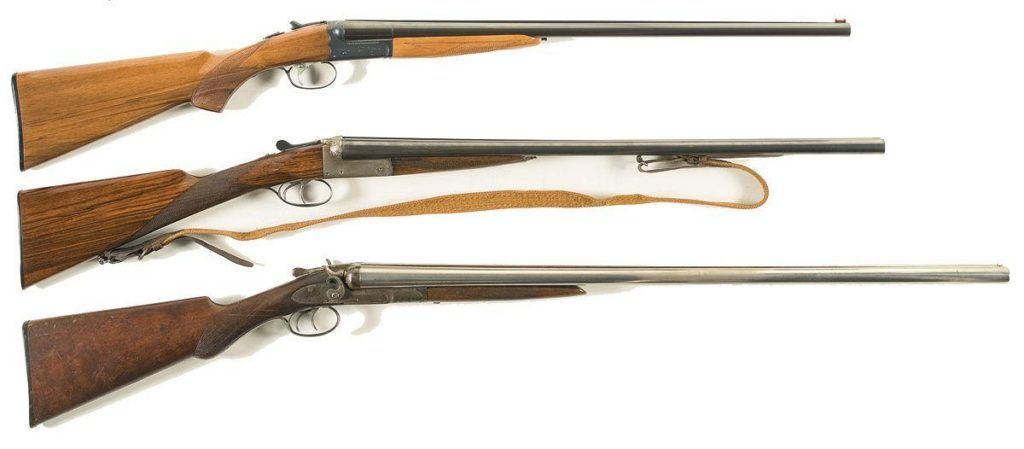
The SKB series—models like the 100, 200, and 280—and the Browning BSS were excellent Japanese-made double guns from the 1960s and 70s. At a time when quality American doubles were scarce, these shotguns filled an important gap in the market.
Ithaca imported the SKB line, although they are unrelated to American-made Ithaca doubles. The 20-gauge Model 100, in particular, weighed under six pounds. Because of this, it became one of the finest options for close-cover bird hunting, especially for woodcock.
Like any firearm, the SKB 100 had minor quirks. For example, the scalloped edges where the stock meets the receiver could crack under heavy loads. Fortunately, these issues are repairable. Otherwise, these guns are reliable, balanced, and a pleasure to shoot.
If you appreciate fine bird guns and want to experience them in the field, consider exploring our Argentina wingshooting packages, where tradition and performance come together.
Why preserving classic hunting guns is important
The real problem is that these guns are no longer being made. The SKB factory has closed, and the tooling for the Browning BSS was destroyed years ago. Therefore, every modified gun reduces the already limited supply.
While increased demand raises prices, the bigger issue is irreversible damage. Once a shotgun’s barrels are cut down, it loses its value as a hunting firearm. In most cases, it cannot be restored to its original condition.
This is why Saving an SKB 100 from the Cowboys is about more than just one gun. It’s about preserving a piece of hunting history.
A rescued SKB 100
I can’t save every SKB out there. Still, I managed to rescue one before it was altered. This particular gun remains in excellent condition, complete with its original 28-inch barrels and Modified/Full chokes.
I have high hopes for it as a pheasant gun. Although my performance with it has been decent so far, I plan to practice more before the next season. With time and familiarity, I expect it to shine.
For now, it stays safely stored—far away from anyone with a cowboy hat and a hacksaw.
You could replace the barrels entirely, but doing so would cost more than twice the gun’s value.
Source: BY PHIL BOURJAILY. Field & Stream