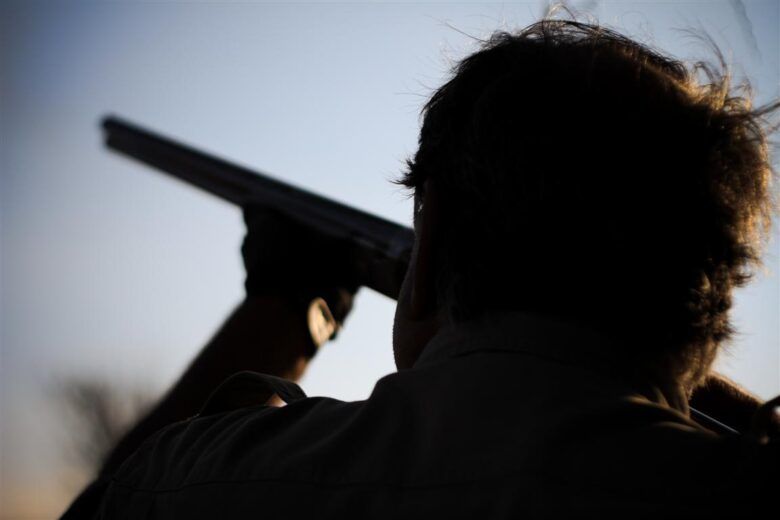
7 Pointers for Puddle Ducks
Follow this expert advice to target these common dabbler species.
Many duck hunters are generalists. They toss out mallard decoys and blow mallard calls, and then take what comes. This generic approach often yields a mixed bag of dabblers. Ducks are sociable birds by nature, so it’s common to encounter other species feeding and loafing alongside greenheads.
Sometimes, though, it’s better to use specific tactics to target individual species. This is true whether you’re hunting bluewings during the early teal season, wood ducks on beaver ponds, or black ducks along the Atlantic coast.
The following 7 puddle duck hunting tips will help you fine-tune your waterfowling strategies and improve your results.
Pointer 1: Whistle to Early-Morning Wood Ducks

EXPERT: Skip Short | LOCATION: Cumming, GA
Wood ducks love swampy habitats like sloughs and beaver ponds. Short uses a small mix of mallard and wood duck decoys, plus motion decoys to add realism. Whistling at dawn helps draw in flocks. The key is restraint — he avoids overhunting spots to keep them productive.
Pointer 2: Be Patient with Pintails
EXPERT: Jeff Kerry | LOCATION: San Leandro, CA
Pintails are skittish ducks of wide-open spaces. Kerry recommends hunting midmorning when pressure subsides, using minimal calling and large spreads with pintail decoys set to guide birds over the blind. Natural movement in the decoys is often the final convincer.
Pointer 3: Go for Gadwalls on Gray Days
EXPERT: Mike Boyd | LOCATION: Tunica, MS
At Beaver Dam Lake, gadwalls are abundant early in the season. Boyd mixes gadwall and mallard decoys and adds motion for realism. Gadwalls tolerate cloudy weather well, often saving hunts when mallards stay inactive.
Pointer 4: Stay Low for Wigeon
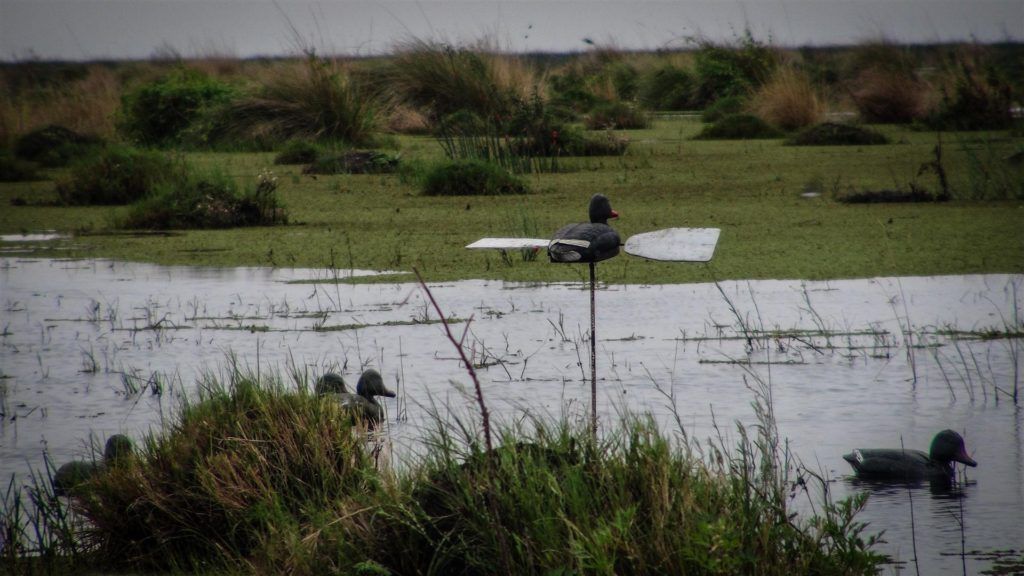
EXPERT: Graham Peters | LOCATION: Independence, OR
Wigeon often decoy low, so concealment is critical. Peters hunts from layout boats, setting spreads of mostly wigeon decoys with teal and pintails for contrast. He adjusts calling based on bird activity and uses whistles for added realism.
Pointer 5: Target Teal Early & Often
EXPERT: Tim Horst | LOCATION: Edgar, NE
Blue-winged teal dominate early, greenwings arrive later. Horst focuses on finding feeding areas and using small spreads with spinning-wing decoys. Minimal calling is required as teal usually decoy readily.
Pointer 6: Ease Up on Black Ducks
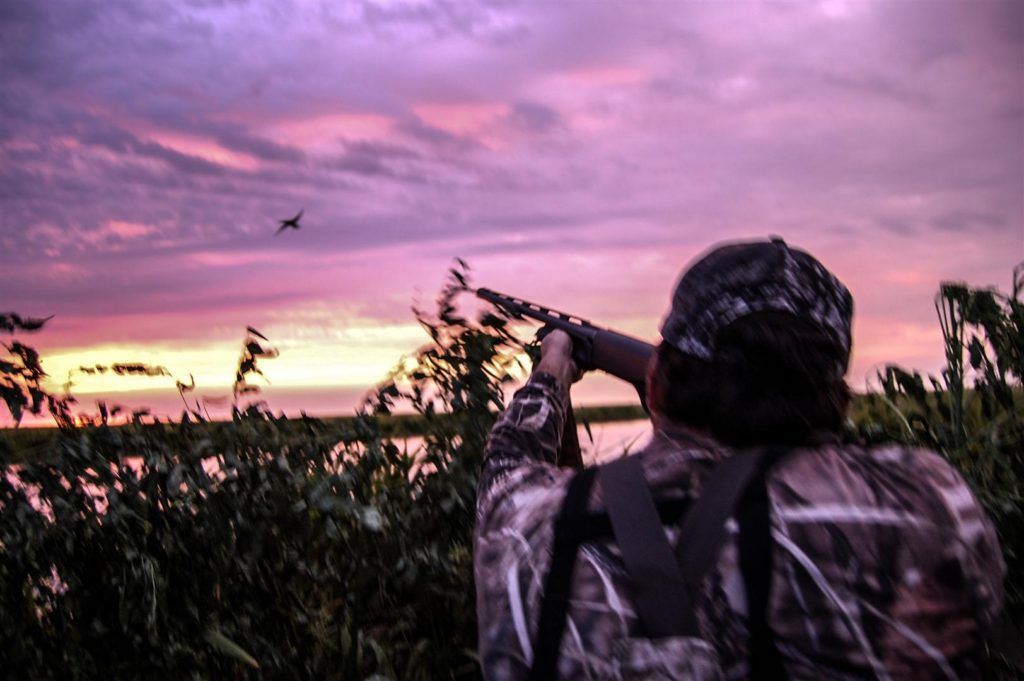
EXPERT: Captain Larry Metzger | LOCATION: Freehold, NJ
Black ducks are extremely wary. Metzger advises small, realistic spreads, minimal calling, and perfect concealment. He sometimes adds snow goose decoys for attraction. Patience and subtlety are vital.
Pointer 7: Mix it Up With Mallards
EXPERT: Tommy Akin | LOCATION: Greenfield, TN
Mallards demand visibility. Akin sets large spreads with decoys of mixed species and heavy use of motion. In timber or potholes, however, he scales back to smaller spreads and light calling. Adapting tactics to habitat is the key.
Conclusion
These 7 pointers for puddle ducks show how different species require unique approaches. Whether targeting woodies, pintails, gadwalls, or mallards, success comes from scouting, concealment, and adapting to conditions. Apply these tips for more rewarding waterfowl hunts.
Related Reading & Packages
- Dove Hunting Tips — improve your wingshooting strategy.
- Our dove hunting packages — explore our all-inclusive offers.
- Exclusive 4-Day Duck Hunting Package — unforgettable waterfowl hunting in Argentina.
Source: by Wade Bourne. Originally published on Ducks.org